#foodsecurity #agriculture #pestcontrol #cropdamage #geneticmodification #IPM
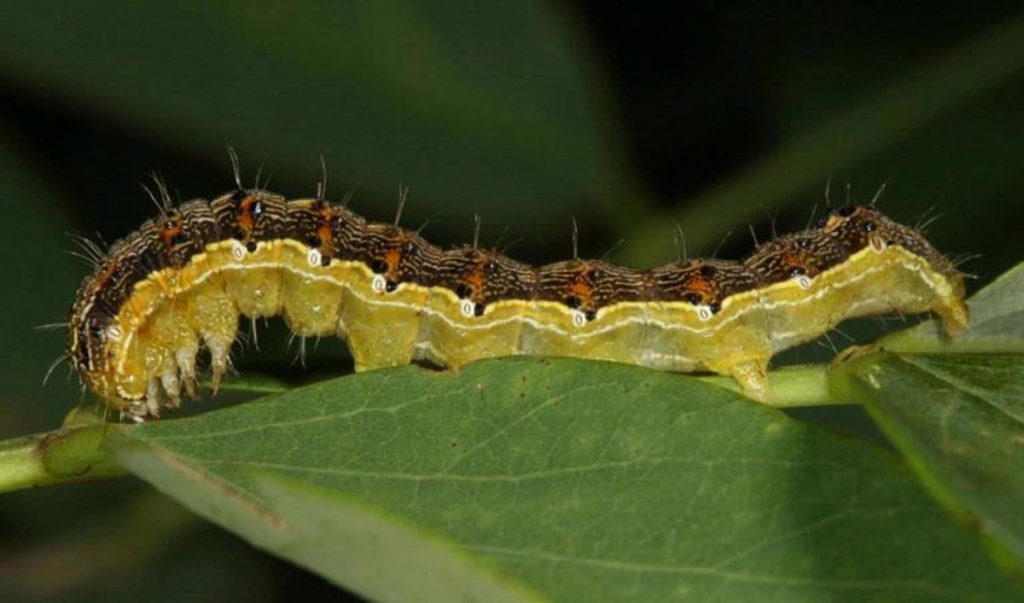
Helicoverpa armigera, commonly known as the cotton bollworm, is a destructive agricultural pest that poses a serious threat to global food security. This insect attacks a wide range of crops, including cotton, maize, soybean, and tomato, causing significant yield losses and economic damage. In this article, we will discuss the strategies that scientists and farmers are using to combat the devastating effects of Helicoverpa armigera.
One of the most effective strategies for controlling the cotton bollworm is the use of genetically modified crops. These crops are engineered to produce Bacillus thuringiensis (Bt) toxins, which are toxic to the cotton bollworm but harmless to other organisms. The use of Bt cotton has been shown to significantly reduce the damage caused by the cotton bollworm, resulting in increased yields and profits for farmers.
Weekdays. Unsubscribe in one click.
Another strategy that is being used to combat the cotton bollworm is the use of pheromone traps. These traps release synthetic sex pheromones that attract male cotton bollworms, preventing them from mating with females and reducing the number of offspring produced. This method has been shown to be effective in reducing the population of cotton bollworms and minimizing crop damage.
In addition to these strategies, farmers can also use integrated pest management (IPM) techniques to control the cotton bollworm. IPM involves the use of a combination of methods, including crop rotation, biological control, and pesticide use, to manage pest populations while minimizing environmental damage.
Despite the progress made in controlling the cotton bollworm, this pest remains a serious threat to global food security. Continued research and development of new strategies are essential for combating the devastating effects of Helicoverpa armigera.