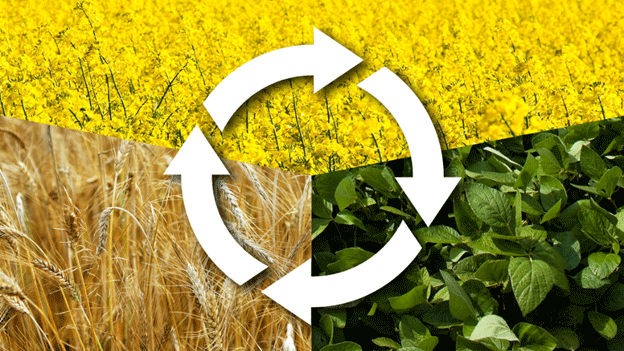
As climate change continues to disrupt traditional farming practices, U.S. farmers are facing increased risks from unpredictable weather patterns, including more frequent droughts, heat stress, and erratic rainfall. To counter these challenges, researchers from the U.S. Department…
In a significant leap forward for agricultural biotechnology, researchers from the Swedish University of Agricultural Sciences have utilized CRISPR/Cas9 technology to create a new generation of potatoes with enhanced resilience to both biotic and abiotic challenges. This…
Pseudomonads produce a wide array of antimicrobial compounds including 2,4-diacetylphloroglucinol (DAPG), which possess a broad-spectrum antagonistic effect against phytopathogens. Rhizospheric soil samples were collected from the Solanaceous crops for isolation of fluorescent pseudomonads (FPs). Out of the…
The 1840s Irish potato famine stands as a stark reminder of the devastating impact plant diseases can have on food security. The blight that ravaged Ireland’s potato crops, caused by the pathogen Phytophthora infestans, led to widespread…
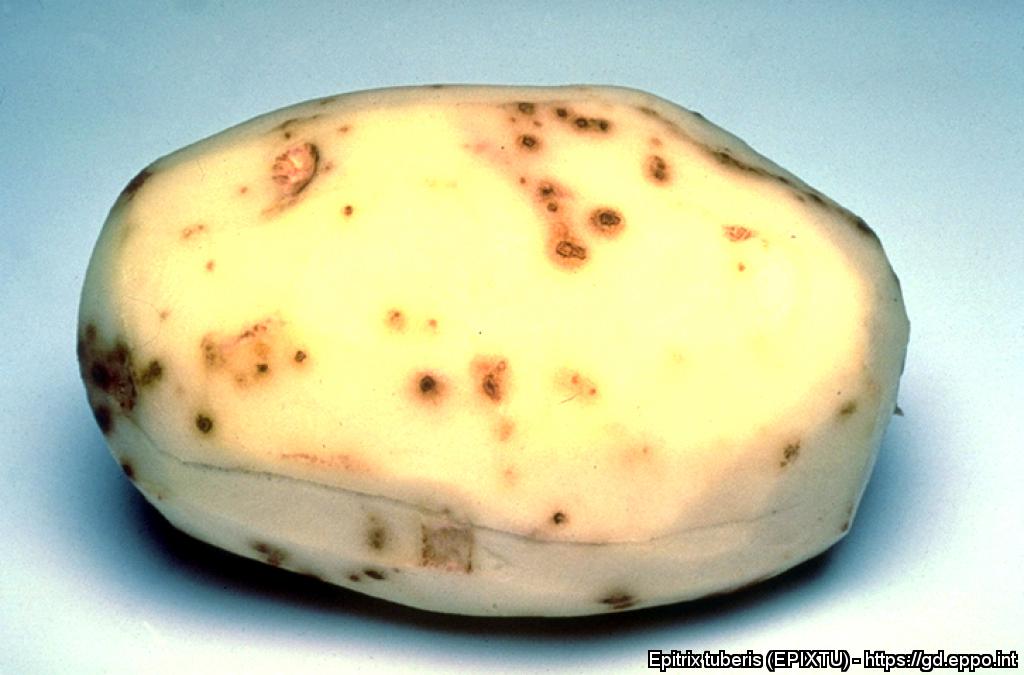
Epitrix tuberis and E. cucumeris are major pests of potatoes in North America. E. tuberis causes the most serious damage because the larval feeding can cause superficial serpentine tunnelling on the surface of tubers as well as deeper pits. This damage can…
A Call for Collaboration in Potato Cultivation and Protection The agricultural community, particularly those involved in potato cultivation, is currently facing significant developments regarding the management of potato wart disease. On August 8, the Canadian Food Inspection…
Haulm destruction in potatoes can be achieved by mechanical or chemical methods or using a combination of the two. Bed formation and machinery set-up If considering a combined mechanical and spray approach, check bed formation against the…
Potatoes (Solanum tuberosum L.) are an important global food since they are rich incarbohydrates and offer significant amounts of protein, vitamins, and dietary fiber . Although potatoes thrive best in temperate climates, they are grown in over 150…
Potatoes are a cornerstone of Emilia-Romagna's agricultural economy, particularly notable for the production of the Protected Designation of Origin (PDO) Patata di Bologna. To support this essential sector, the regional government has introduced a new funding initiative…
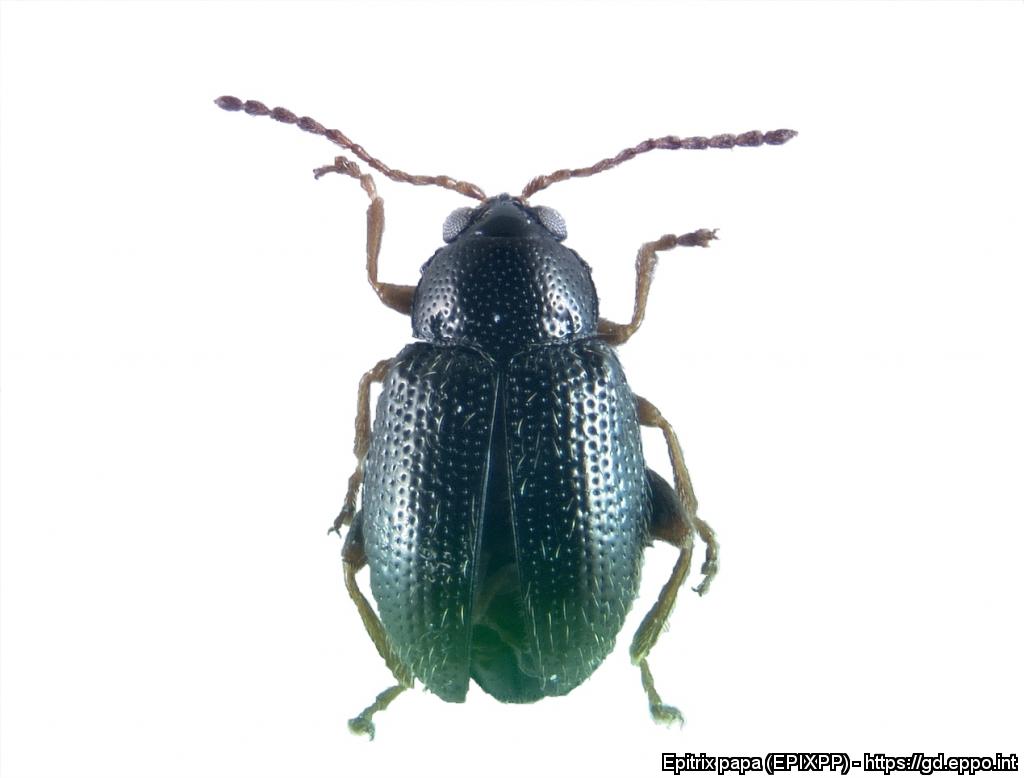
The tuber flea beetle species Epitrix papa Orlova-Bienkowskaja (Coleoptera: Chrysomelidae: Alticinae) is a new exotic pest of potato in Europe, present in Portugal and Spain. In Portugal, E. papa was probably introduced around 2004 but only emerged as a pest in…
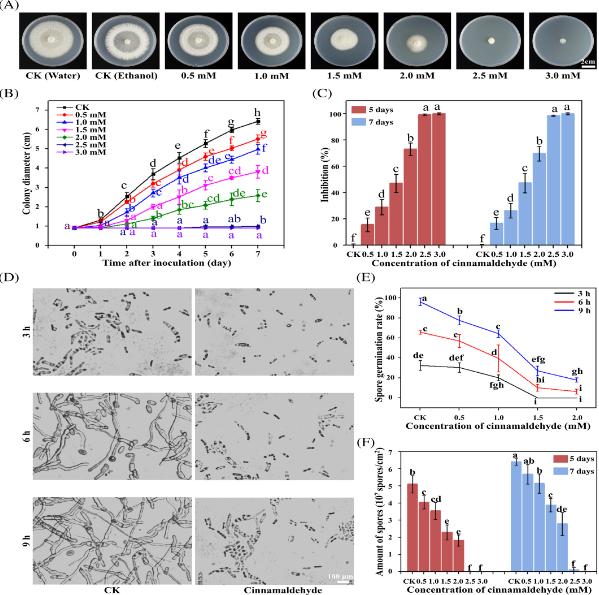
Potatoes, a major economic crop, are significantly impacted by Fusarium dry rot, a prevalent postharvest disease. Despite the broad-spectrum antimicrobial properties of cinnamaldehyde, a naturally-derived plant substance, its efficacy against the causal pathogen of potato dry rot (Fusarium oxysporum)…
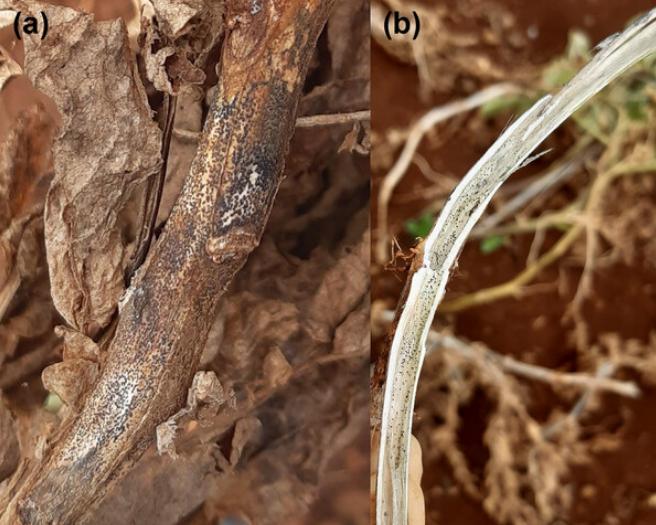
Black dot (Colletotrichum coccodes) has become an economically significant potato tuber disease due to its capacity to cause early foliage death. The disease named black dot relates to the numerous black microsclerotia that the fungus can produce…